Last Updated on January 29, 2026 by Eric Bonneman
When it comes to redfish, you’re dealing with a fish that lives in the same places you naturally fish in the Louisiana and Biloxi Marsh — not out on some distant edge of the Gulf, but tucked into the everyday structure of the marsh itself. They hold along pond banks where the grass breaks up, ease along little drains that dump water on a falling tide, slide past oyster shorelines when bait gets pinned, and settle into deeper bayous and cuts when conditions push them out of the shallows. If you’re in marsh water, you’re already in redfish country.
What makes redfish approachable in this system is that their behavior stays tied to a few basic factors you can actually see and feel: water temperature, water level, and food availability. When the water drops, they move with it. When it cools down, they get tighter and more deliberate. When bait shows up in a drain, along a grass edge, or on a shoreline with current, redfish aren’t far behind. The marsh gives you clues constantly if you know what to pay attention to.
Instead of running water hoping to stumble onto fish, you start making informed choices — which banks are likely holding, which cuts are worth easing into, which areas probably emptied out with the last front or tide swing. Once you understand how redfish relate to the marsh itself, every stop you make has a reason behind it, and the water starts to narrow on its own instead of feeling endless.
Today, you’re going to see how redfish are built, how that ties into the way they feed, and how their behavior shifts through the year in this marsh. You’ll get a clearer idea of what you’re looking at when you spot one — that tail spot, that copper color, the way they push water when they’re moving shallow — and what it means for where they’re likely sitting when it’s cold, when it warms up, and when they’re feeding hard.
You’ll also get a season-by-season breakdown for Louisiana and Mississippi’s Biloxi Marsh so you can match your approach to what the fish are doing right then. Winter fish act different than summer fish, and marsh redfish don’t sit in the same places when the water drops out or when you’ve got good moving water pushing bait.
So if you’re new to these marshes, this gives you a solid foundation. If you’ve fished them before, it helps you tighten up your decision-making so each trip has a plan instead of a lot of drifting around hoping it comes together.
Redfish
Introduction to Reds
Redfish, scientifically known as Sciaenops ocellatus, are one of the most common inshore fish you’ll run into from the Atlantic down the U.S. coast and all through the Gulf of Mexico. Along the northern Gulf Coast, they’re a staple because they handle a wide range of conditions and they spend a lot of time in water you can reach — shallow bays, estuaries, marsh ponds, and shoreline structure. They’re popular with fishermen for obvious reasons, and they’re studied heavily because they’re so tied to coastal systems where saltwater and freshwater mix.
Physical Characteristics
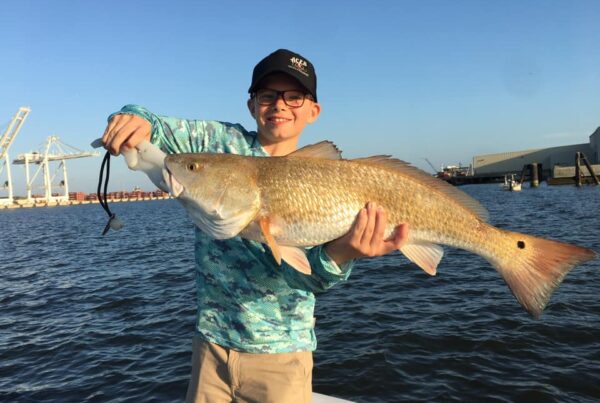
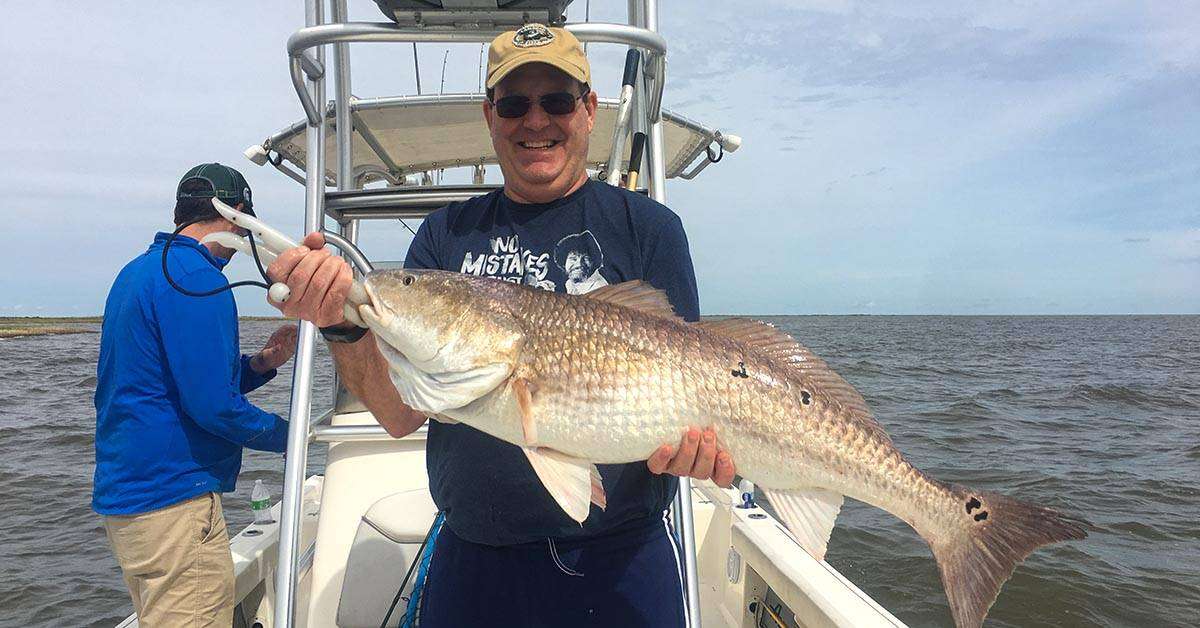
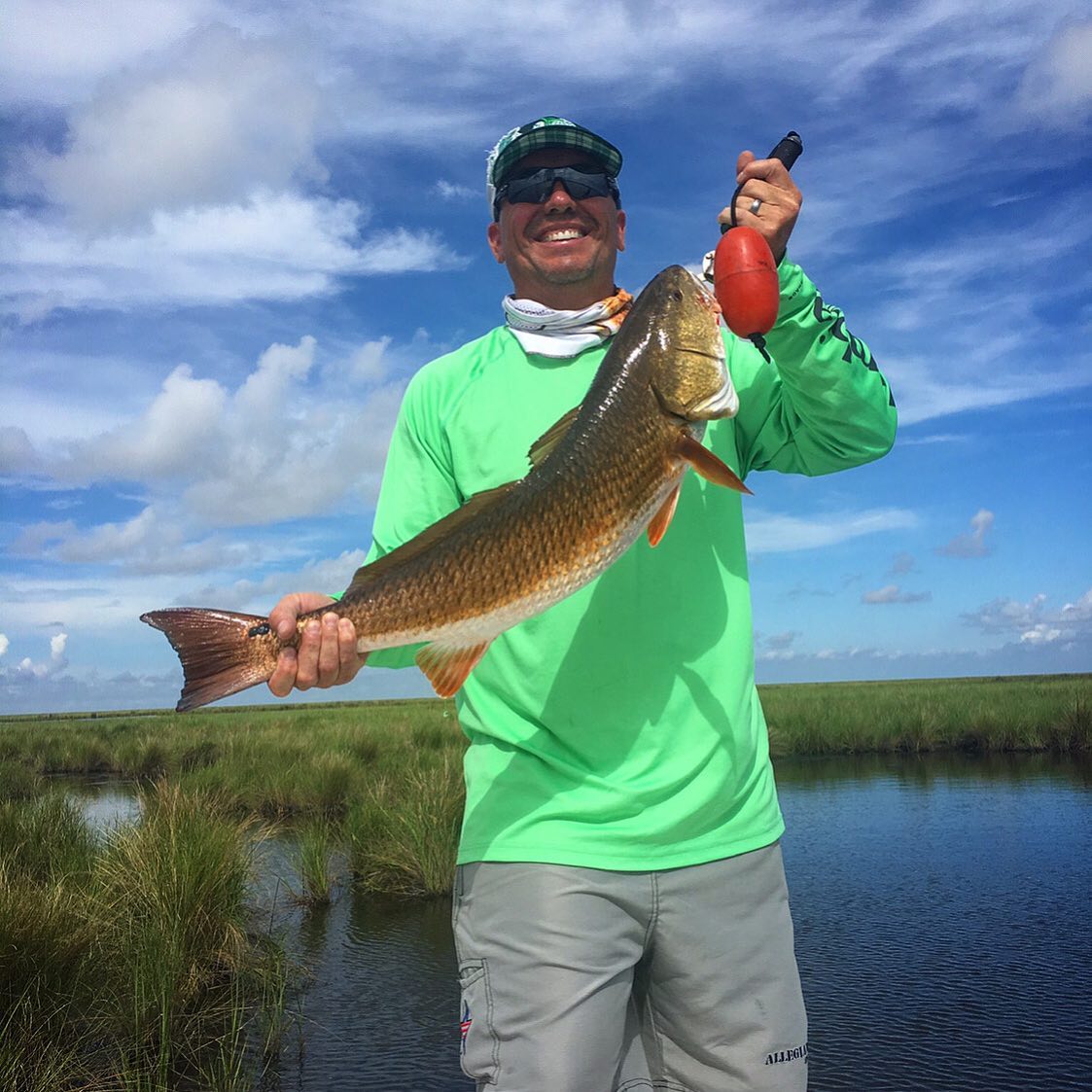
You can pick out a redfish fast once you’ve seen a few up close. They’ve got a solid, elongated body with heavy scales and a strong tail — the kind of shape built to shove through grass and current and still have enough power left to make you work for it when they turn and go.
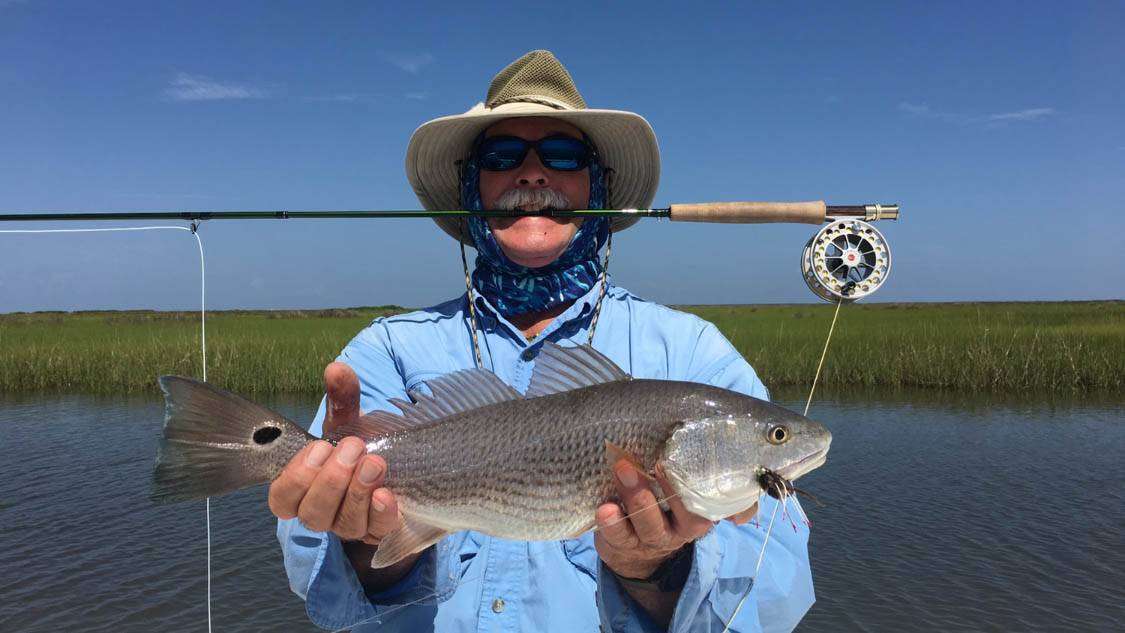
Now the signature detail is that black spot near the base of the tail. A lot of people hear the old explanation that it pulls predator strikes toward the tail, and that’s part of the story people pass down. (Some research also suggests it can help with schooling and keeping track of one another in a group, especially when visibility isn’t great.)
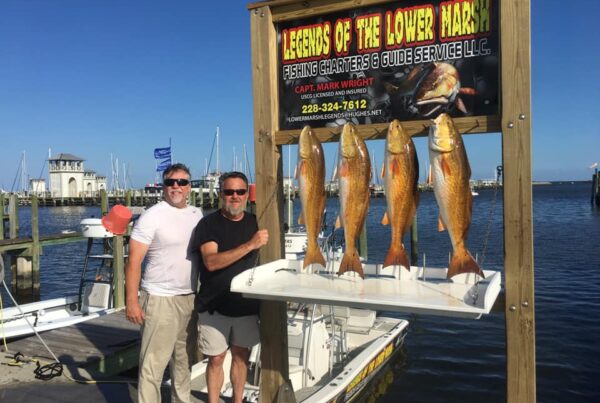
Color is one of those things that changes depending on where the fish has been living. In shallow marsh water, you’ll often see that copper or bronze look. In clearer or deeper water, they can wash out lighter and look more silver. Size varies widely.
Juvenile reds commonly run 10 to 24 inches, and mature fish can get big — up to around 61 inches and roughly 51 pounds at the top end. Their head shape is noticeable too: a sloped forehead, a large mouth, and that slightly protruding lower jaw that fits the way they feed along the bottom.
Habitat
Redfish spend a lot of their time in shallow coastal water, especially where saltwater and freshwater meet. Estuaries, bays, lagoons, and marsh systems give them food, cover, and the kind of water variation they tolerate better than a lot of other fish.
In the Biloxi Marsh, that means you can find them shallow in ponds and along grass edges when conditions are right, and you can also find them set up along deeper bayous and channel edges when shallow water gets too cold or too low. They can live offshore too — up to around 200 feet — but juveniles rely heavily on inshore water because it’s safer and loaded with food.
Diet/Feeding Habits
Redfish eat what’s available and easy to pin down — shrimp, crabs, small fish, and mollusks. Their mouth points downward for a reason. They’re built to feed low and work along the bottom.
When they’re in skinny water and feeding hard, you’ll often see tailing — that tail sticking up while their head is down and they’re rooting. In marsh water, that’s one of the clearest “there’s fish here right now” signals you’ll ever get, because you’re not guessing what they’re doing. You’re watching it.
Spawning Behavior
The reproductive behavior of redfish is worth understanding because it lines up with seasonal movement. They typically reach sexual maturity somewhere around 3 to 5 years old.
Spawning usually happens from August through November when water temperatures are around 71°F to 75°F, and fish move toward nearshore water to spawn. Females release eggs into the water, males fertilize them, and a single female can release up to about 2 million eggs in a season. That high output is part of how the species stays strong even with predation and changing conditions.

Local Tips
There’s a lot you can see and feel in the marsh that tells you where redfish might be. But then there’s the stuff that’s harder to clock until you’ve fished it wrong once or twice and realized what you missed.
Mississippi and Louisiana redfish don’t just move for temperature and tide. They reposition based on salinity swings, wind stacking, and pressure — things that don’t always jump out unless you’re watching patterns over time. You can have the right shoreline, the right drain, perfect water level — and still not see a fish — because one of the following got overlooked:
- Freshwater push: After heavy rains or a good Mississippi discharge, salinity can swing hard in certain zones. Redfish tolerate brackish water, but they don’t love dead-fresh. They’ll bail and push deeper into the marsh, or swing to areas with stronger salt retention — especially late spring and early fall.
- Wind history (not just wind speed!) : If it’s been blowing hard from the same direction for a few days, you’ll see it in the water — color, depth, bait distribution, even grass lines can shift. South wind might push just enough water and salt into zones that were too fresh last week. North wind might flatten everything but kill current flow in a spot that needs it.
- Boat traffic and pressure: You fish a shoreline that should be good and it’s dead? Maybe it was — until someone came through with a trolling motor humming two hours earlier. Redfish in this marsh learn fast. They don’t go far when spooked, but they slide deeper, tuck tighter to cover, or just lock down.
And here’s one more important tip: water clarity isn’t just better for your eyes. Dirty water changes how fish feed. It tightens them up to structure, forces them to key on vibration, and makes ambush points matter more than open flats. That doesn’t mean you can’t catch in off-color water. But if the clarity sucks, don’t expect sight fishing or cruising schools. Expect reaction bites from fish pinned into structure, current seams, or funnels.
Now put all that in your head before you start thinking season to season. Because the seasonal patterns below are important. But they’re always shaped by the moving pieces behind the scenes.
Targeting Redfish in Louisiana and Mississippi’s Biloxi Marsh: Seasonal Strategies
The Louisiana and Mississippi Biloxi Marshes fish well all year, but you don’t fish them the same way all year. In this region, seasonal change shows up in water temperature first, then in how far fish push shallow, how willing they are to move for a bait, and where they settle when conditions turn tough.
Your best approach is to treat each season like its own version of the marsh and adjust where you look and how you present.
Winter (December – February)
In winter, you’ll still catch redfish, but you usually won’t do it by running shallow ponds expecting them to be spread out and aggressive. Cold water pushes fish toward stability: deeper channels, deeper bayous, and edges where depth changes give them a temperature buffer. In the Biloxi Marsh, that often means the deeper cuts and the edges of oyster areas where they can sit lower and conserve energy.
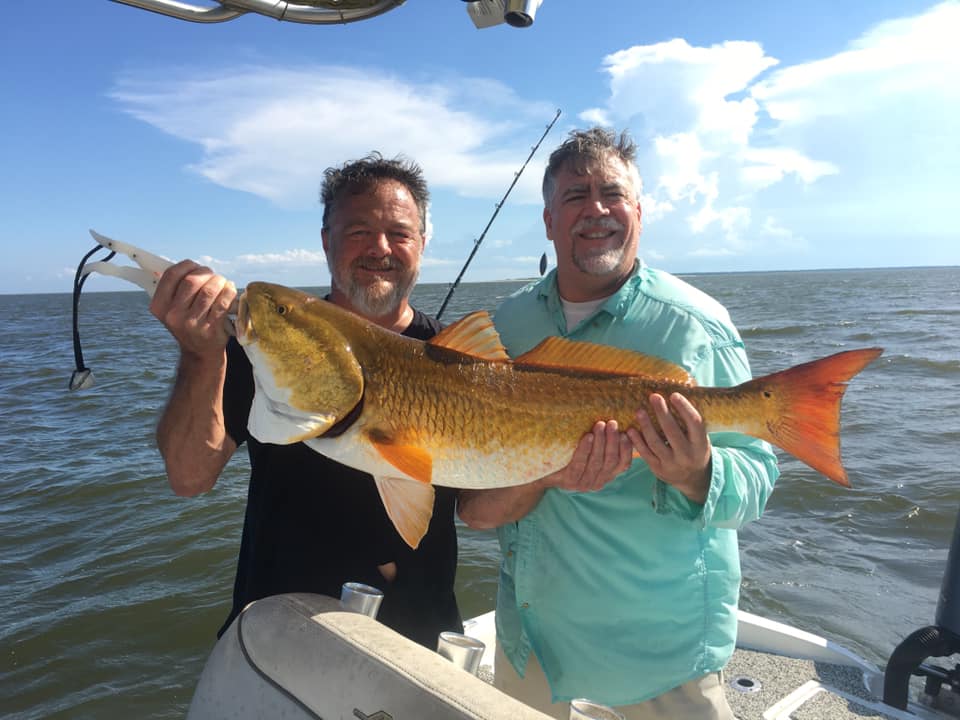
This is where slowing down stops being optional. Jigs and slow-sinking lures worked near the bottom keep you in the strike zone longer. Winter fish can still eat, but they’re less interested in running something down in open water. Put it close, keep it controlled, and fish the places where depth is doing the work for you.
In the colder months, redfish also become far more sensitive to small differences in water quality, not just depth alone. Slightly warmer water coming out of a dark-bottom bayou, protected bends that stay out of the wind, or areas where current keeps water from going stagnant can all stack fish when everything else feels lifeless. You’ll often find winter reds positioned tight to the down-current side of structure or depth changes, facing into moving water just enough to let food come to them without burning energy.
Remember that bites can be subtle — more weight than a strike — and that’s usually your sign you’re fishing where they’re comfortable rather than just where they happen to pass through.
Spring (March – May)
Once the water warms, fish start sliding back shallow and spreading out. You’ll see more movement along marsh edges, flats near grass, and areas that warm up faster. Spring fish are more willing to chase and more likely to show themselves. This is when you get those days where you can work a shoreline and consistently run into fish that are actively feeding instead of just sitting.
This is a strong season for mixing in topwater lures and soft plastics because fish are more reactive. And when conditions line up — clearer water, manageable wind — sight fishing becomes a real option, especially around marsh edges and flats where fish cruise and feed.
Water temperatures can swing quickly with fronts and rain, and redfish will slide shallow fast when things line up — then pull back just as quickly when they don’t. Pay attention to which areas warm first and hold that warmth, especially protected ponds, north-facing banks, and flats with darker bottoms. You’ll often find spring reds traveling in loose groups rather than tight schools, moving with purpose along edges and drains as they feed. When you intersect that movement, the fishing can be steady for hours instead of coming in short bursts.
Summer (June – August)
Summer is high activity, but you still have to fish smart because heat changes the way the day unfolds. Redfish will feed aggressively, and the best windows tend to be early and late when the water is cooler and fish are more comfortable pushing shallow. In the Biloxi Marsh, you’ll often find them along outer marsh edges, grass lines, and anywhere current movement helps funnel bait.
Topwater early can be a blast when fish are up and willing. As the day gets brighter and hotter, spoons and spinnerbaits help you cover water and stay effective around moving current and shoreline lanes where fish track bait.
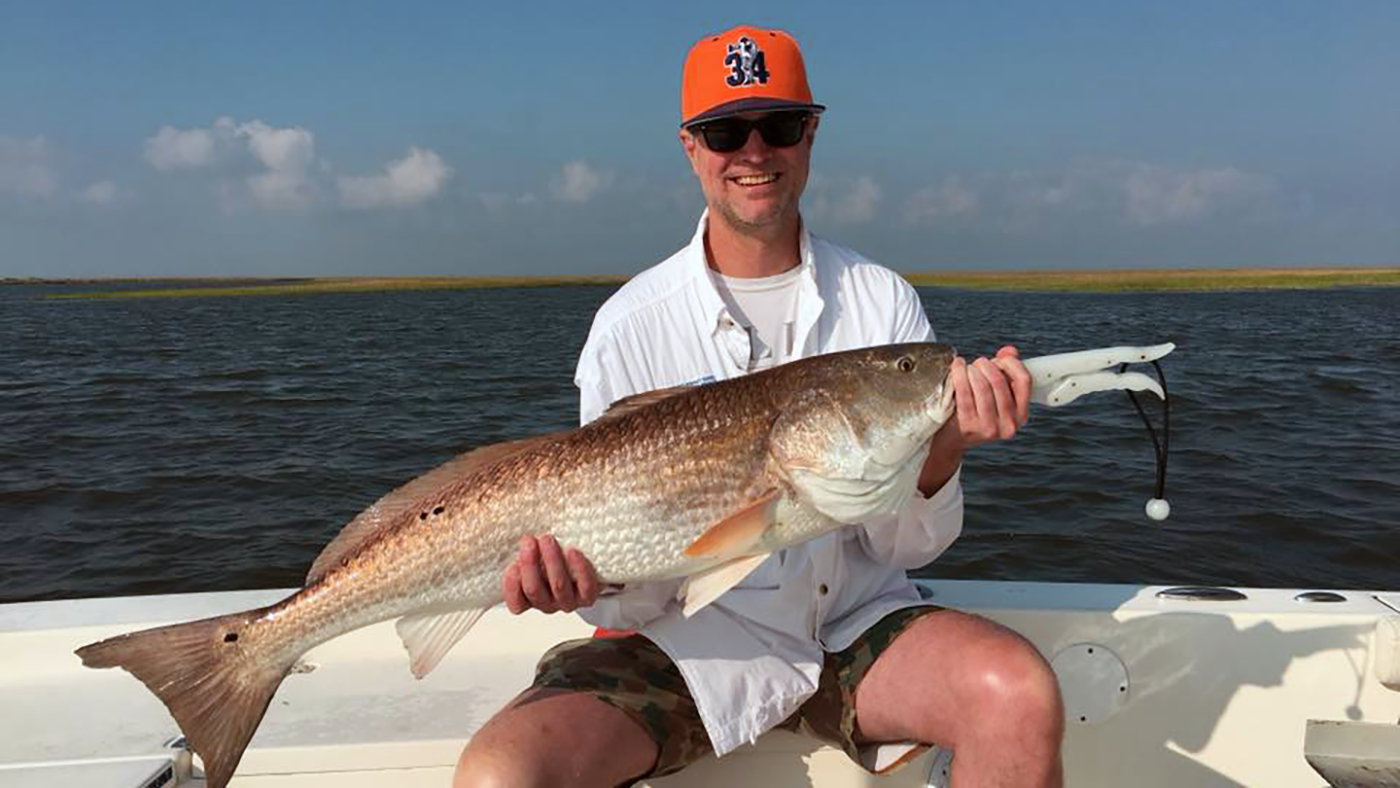
Heat also sharpens redfish positioning in summer. As water temperatures climb, fish become more selective about where they spend time, favoring areas that offer a mix of movement and relief — steady current, slightly deeper edges, or water that refreshes with each tide. You’ll notice summer reds often set up along predictable travel lanes rather than roaming freely, especially midday. They’ll slide shallow to feed, then ease back just enough to stay comfortable, repeating that pattern as long as conditions hold. When you identify those lanes, you can fish deliberately instead of chasing surface activity that fades as quickly as it shows up.
Fall (September – November)
Fall is often the most dependable stretch for marsh redfish because they feed hard heading into winter. Fish can school tighter and show up more consistently, which makes them easier to locate once you get on the right water. Clearer conditions also boost sight fishing, and this is the season where you can lean into watching for surface activity and bird activity because it can point you toward bait and feeding fish in a hurry.
As bait concentrates and water levels begin to fluctuate more noticeably, fish start committing to areas that consistently replenish food rather than roaming widely. You’ll often find them stacked along drains, choke points, and edges where multiple depths meet, using those spots as feeding stations instead of travel routes.
When you find one of those areas, it can reload throughout the day as fish cycle through, especially on moving water, which is why fall trips in the marsh often feel steady instead of hit-or-miss.
Fall fishing in this marsh often comes down to working transition water — areas where shallow feeds into deeper — and staying ready to adjust as fish move with changing water levels and bait shifts.
Legends of the Lower Marsh: Your Destination for an Unmatched Redfish Experience
Once you’ve got the seasonal picture in your head, the fastest way to turn that into fish in the boat is to spend time with people who run this water constantly. That’s where Legends of the Lower Marsh comes in. You’re fishing with guides who know how this marsh changes — how fish set up when water drops, how they position on edges, and how quickly a pattern can shift with weather and water movement. Instead of burning a day trying to figure out which pieces of the marsh are “on,” you start the day in the right neighborhood and keep adjusting as conditions change.
The Biloxi Marsh: A Fisherman’s Paradise
In the Biloxi Marsh, redfish are the headline, but they’re not the only thing living here. The same system holds speckled trout, black drum, flounder, and triple tail, and that mix tells you a lot about how alive the marsh is. You’re fishing a place made up of ponds, bayous, cuts, shorelines, and open edges — and small changes in water level and water movement can turn one area on and shut another one down.
With Legends of the Lower Marsh, you’re not relying on random stops. You’re fishing with locals who understand how to read what the marsh is giving you that day and move you into water where redfish are set up to feed.
Choosing Legends of the Lower Marsh
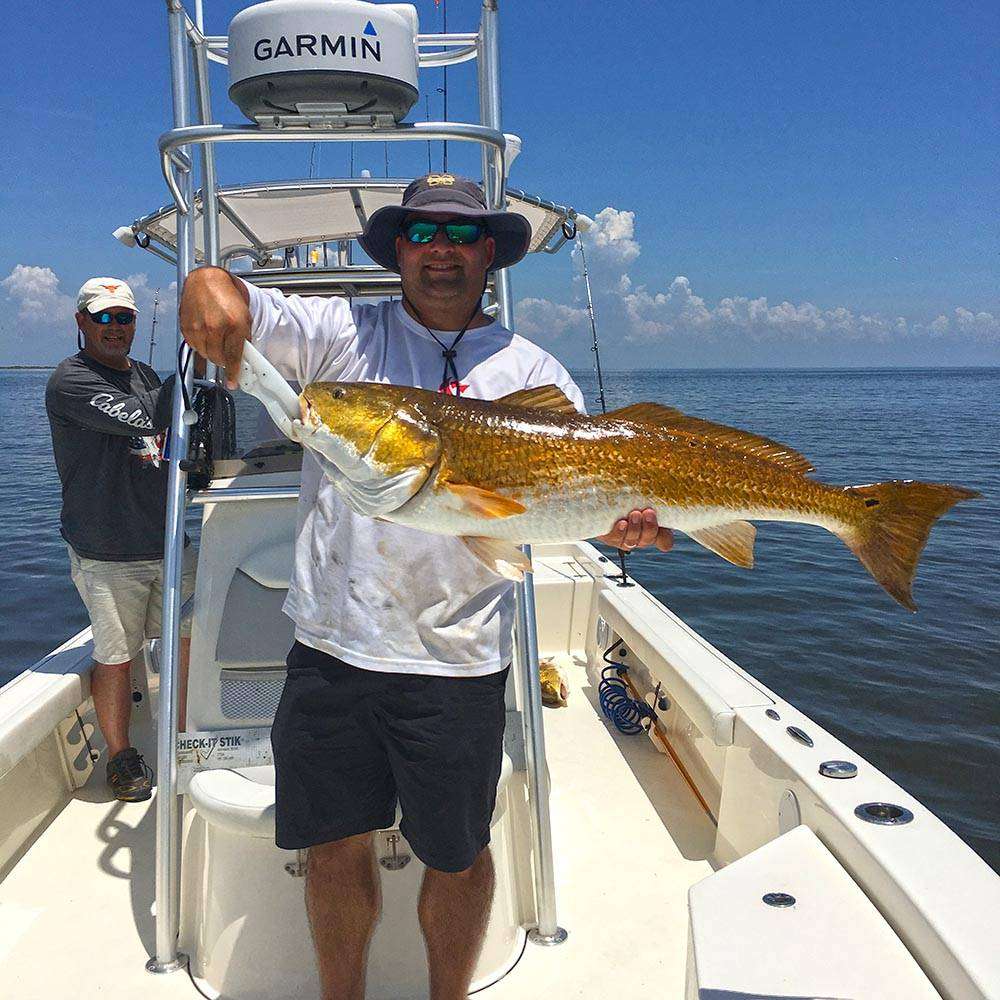
When you go with Legends of the Lower Marsh, you’re choosing guides who take the fishery seriously and treat the marsh with respect. You also get a trip that fits you. If you’ve got experience, you can fish hard and tighten up technique. If you’re newer, you can learn how fish position in this kind of marsh water and why certain areas produce in certain seasons.
If you’re ready to put this redfish knowledge to work where it counts, Book your trip today with Legends of the Lower Marsh. You’ll spend your time in productive marsh water with guides who know how to keep you around fish, and you’ll leave with a better understanding of how redfish use the Biloxi Marsh through the year.