Last Updated on January 29, 2026 by Eric Bonneman
Intro
We’re kicking off 2026 the same way we always do: putting real time into finding where the fish have stacked up and tailoring every trip to what’s happening on the water that day: From the marsh edges around Gulfport and Pass Christian to the deeper channels and nearshore reefs out of Biloxi.
Of course, the marsh doesn’t care what month it is—it just moves. Fish shift with the tides, the water temps, the wind, and the bait. And if you know how to track those patterns, there’s never really an “off season.” That’s what it’s like fishing Gulfport Mississippi and the Biloxi Marsh: every month brings opportunity… if you know where to look.
This is your full-year guide to what species are active, where they move, what triggers the bite, and what kind of strategies you can use to make fishing trips as productive as possible. If you’re planning something for spring break, chasing tarpon in the heat of summer, loading the cooler in fall, or even just creeping quietly after winter reds, this calendar lays it all out. You’ll see what to expect in March when the trout start sliding back over shell. You’ll see what gear works in August when tripletail hang under the crab traps. (And you’ll understand how the marsh redraws its own map every time a cold front rolls through in December.)
Whether you’re coming in from Long Beach, Bay St. Louis, Waveland, Ocean Springs, or rolling in from New Orleans or Slidell—you’ll find what fish are biting, where they’re moving, and how to stay on them any time of year.
Let’s break down the 2026 fishing calendar, season by season, month by month:
Meet the Captain: Mark Wright
Over 40 Years Fishing the Mississippi and Louisiana Marshes
Captain Mark Wright has been running trips longer than most booking platforms have existed. Born and raised on the Mississippi Gulf Coast, he knows the layout of this fishery from tides to topwater. With over 4 decades of field experience and 25 years in the Mississippi Army National Guard, you’re dealing with a captain who blends discipline, grit, and regional insight.
Experience and Local Expertise
Captain Mark’s on-the-water advantage comes from knowing where seasonal bait shifts, salinity lines, and currents intersect—often in spots that fishermen overlook. He understands how fish hold and move based on structure, tide stage, and weather pressure, and adjusts every trip accordingly.
If there’s a specific species you’re chasing—he’s going to know what it takes to make it happen. Whether you’re here to catch speckled trout on spring shell beds or help a kid reel in their first redfish, Captain Mark knows just where to find them. That’s the benefit of 40+ years spent fishing these specific waters and coastal wetlands, in all seasons, and under every set of conditions the Gulf throws at them.
2026 Fishing Calendar: What’s Biting (and When)
Spring Fishing (March–May)
Patterns & Target Species
When water temps rise into the 60s, inshore activity ramps up. Speckled trout start staging on shell bottoms and current breaks near the outer marsh. Look for clean water with tidal movement—ideal for suspending twitch baits and slow retrieves over grass.
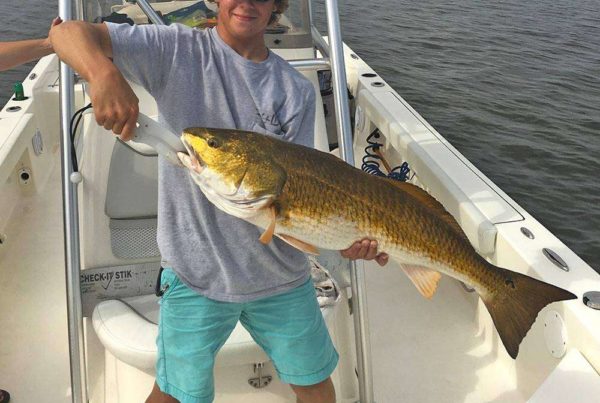
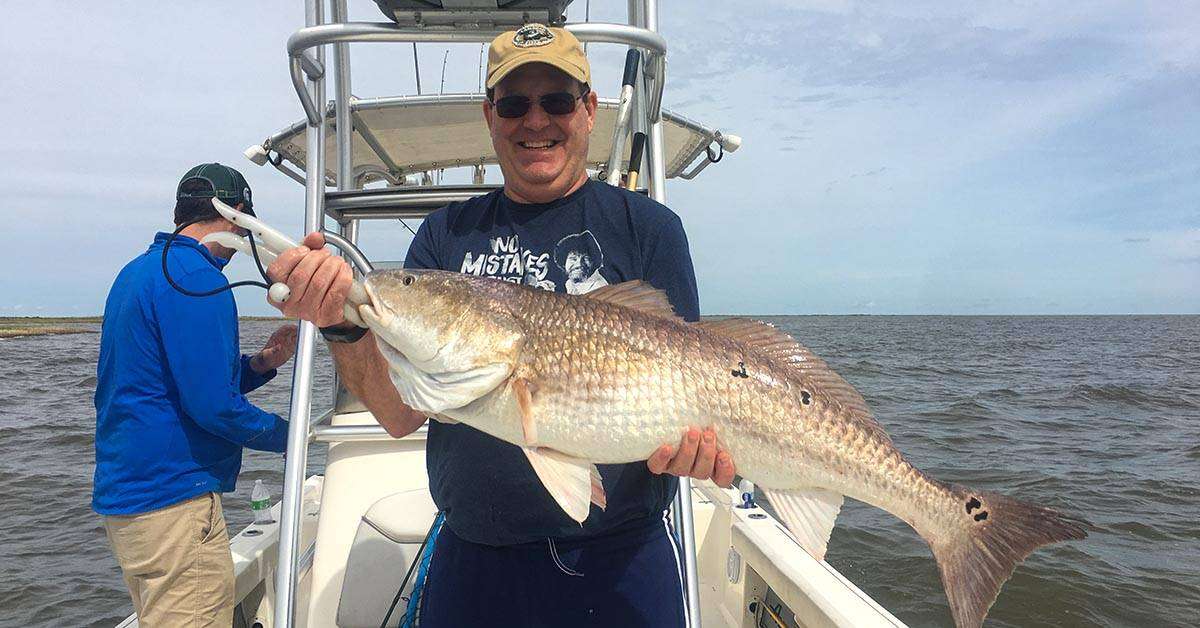
Redfish remain active in shallows and marsh drains. You’ll see singles and small pods on warmer days, especially near oyster beds and sandy cuts. This is one of the best times to sight-cast, especially with lighter winds and good visibility.
Black drum show up around deeper ledges and channels. While not flashy, they’re consistent and ideal for newer fishermen. Meanwhile, flounder start migrating back inshore—especially near riprap and creek mouths where they ambush prey.
Structure and Strategy
- Outer marsh points with shell beds for trout
- Flooded grasslines and mud-bottom cuts for Mississippi and Louisiana redfish
- Bridges, jetties, and dock pilings for sheepshead
- Channel drop-offs and deep flats for drum
Spring is about movement—both yours and the fish’s. Productive trips follow bait transitions and avoid dead zones. Water clarity and salinity fluctuate fast, so expect to adjust spots between morning and afternoon.
Summer Fishing (June–August)
Heat-Driven Behavior & Key Tactics
High sun and warm water push fish deeper or into heavy structure by midday. Early mornings are prime for trout over submerged grass beds, especially with moving tide. Soft plastics and topwaters are still effective before the heat sets in.
Redfish are more active at dawn and dusk. You’ll often find them on shallow flats at first light, then falling back into deeper troughs or shaded zones. Spotting tailers in shin-deep water is common this time of year.
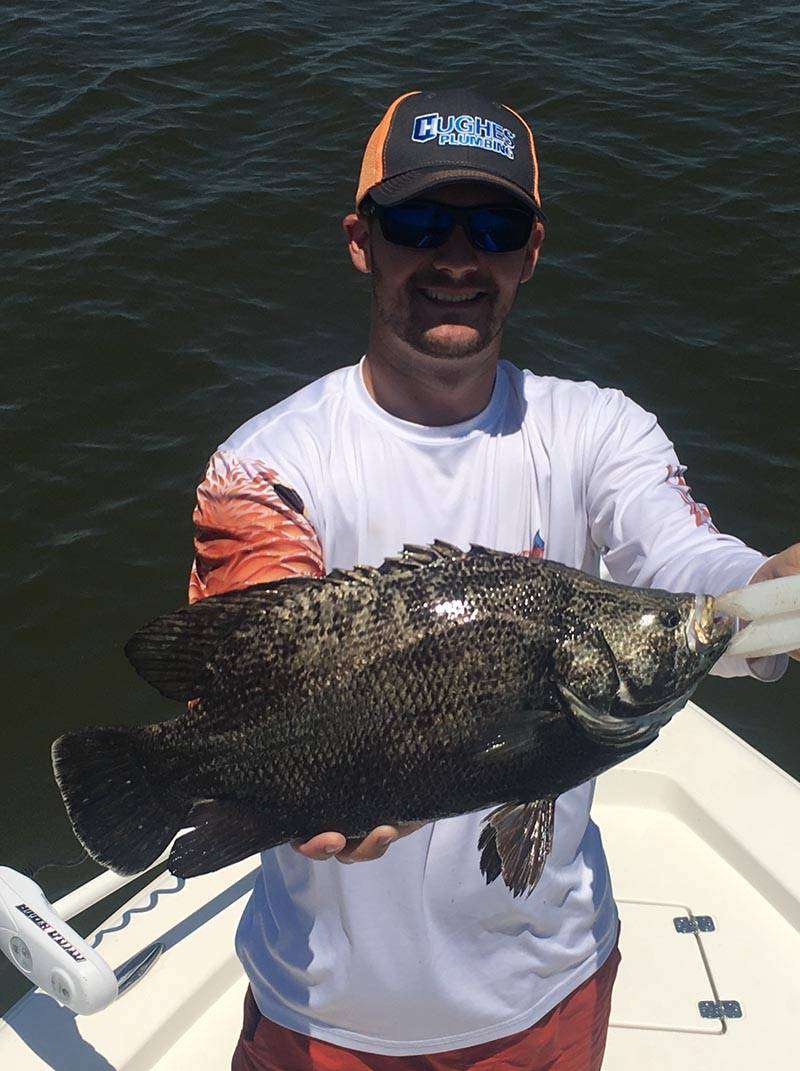
Tripletail become a high-value target around floating debris, crab traps, and channel markers. These fish suspend just under the surface and often need a precise cast for a bite.
Tarpon show up along migration routes offshore and near coastal passes. You’ll need patience and the right tide window, but when it comes together, it’s one of the most electric bites in the region. Red snapper also enter the conversation when season dates align. Targeted mostly on offshore and nearshore fishing trips out of Biloxi, these fish are hard-hitting and tightly regulated—but when it’s open, they’re a prized option for those looking to mix in a little deeper action with their summer charter.
Mangrove snapper also populate inshore structure—quick, aggressive, and smart. They’re structure-oriented, and you can find them around pilings, jetties, submerged debris, rock ledges, and dock systems. So your presentations need to be tight and quick.
Spot Prioritization
- Dawn patrol on shallow flats for redfish and trout
- Midday deeper cuts and shaded structures
- Nearshore trap lines and markers for tripletail
- Channel edges and bay passes for tarpon fishing trips
Summer trips do well with early launches, water management, and more deliberate pacing. Hydration, bait storage, and boat position become operational factors—not just comfort considerations.
Fall Fishing (September–November)
Transition Time, Aggressive Feeds
Fall delivers arguably the best overall mix of species. Speckled trout push back into shallower marsh as baitfish exit summer haunts. You’ll find strong numbers staging near drains, island points, and current seams.
Redfish enter a schooling pattern—often in groups of 5 to 20 fish or more. These are target-rich environments where reaction bites dominate, especially around clean water and falling tides.
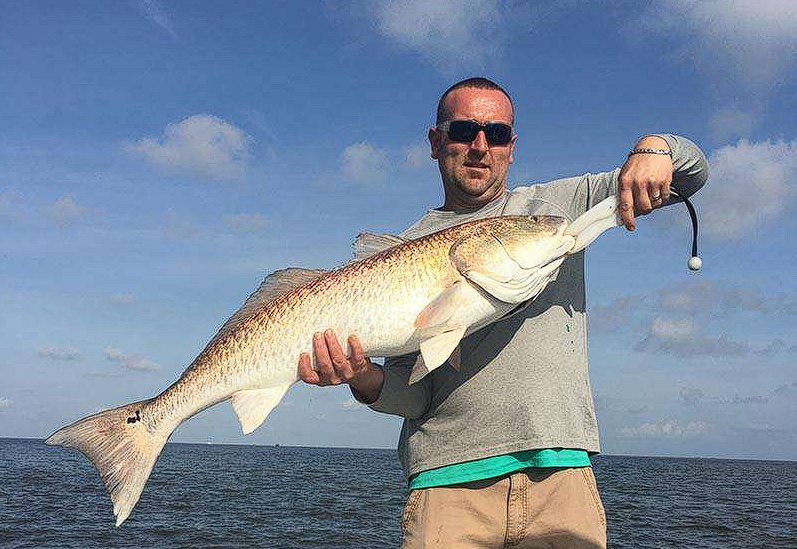
Flounder make a strong showing ahead of their offshore migration. They’re easiest to catch near sandy bottoms, weedy transitions, and narrow creek mouths. Fall is peak time for size and volume.
Spanish mackerel and jack crevalle may roam the open water edges and passes, blitzing bait on the surface. They’re visual targets and can be intercepted with fast-moving lures or sight-casting setups.
Conditions & Adjustments
Expect cooling nights and strong tidal swings. Fish feed aggressively as temps drop. Focus on transitional zones—where shallow meets deep, where soft meets hard bottom, or where water clarity shifts in bands.
Winter Fishing (December–February)
Slower Water, Deeper Structure
If you’ve fished with us before, you already know—January isn’t a “slow season” here. It’s just a shift. Redfish school tighter. Trout group up in specific holes. Drum and sheepshead stack around jetties, bridge pylons, and shell piles. And with fewer charters running this time of year, the fish hold longer and feed more predictably.
What’s coming over the next few months? The cold fronts won’t let up until March. But in between them? Some of the best action of the year for quality reds, dependable black drum, and heavy sheepshead. Specks too, if you know where to look.
Water temps dip into the low 50s, especially after cold fronts. Fish behavior slows, and your tactics need to follow.
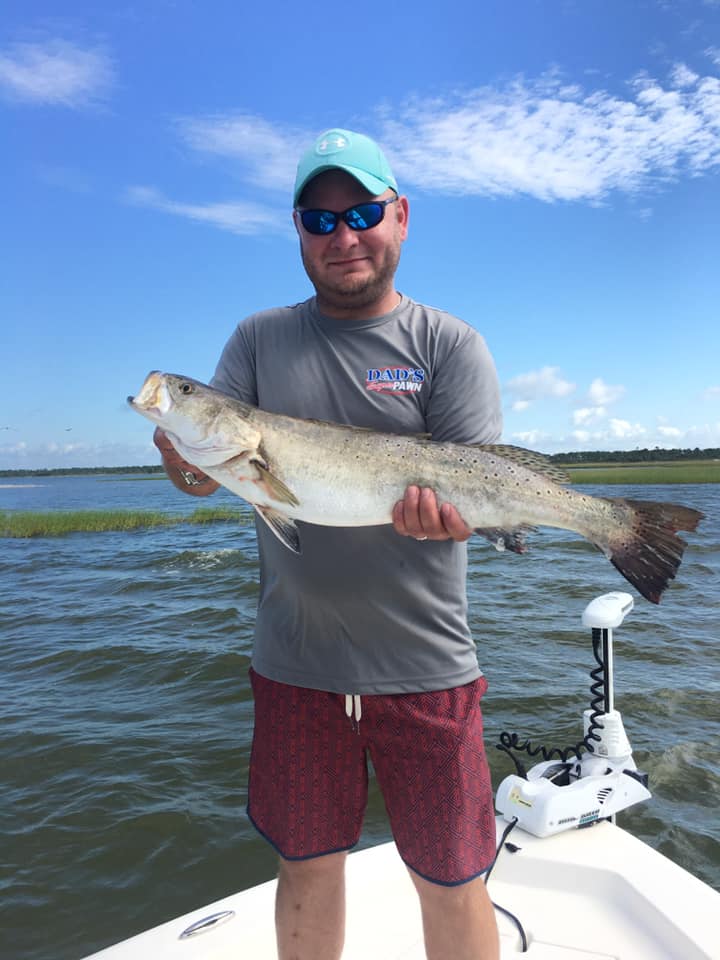
Redfish stay consistent, but move deeper. Mud-bottom canals and sun-warmed holes are key. Speckled trout stack into deep bayous, rivers, and protected zones. If you know where to find the holes, you can load the boat.
Sheepshead action picks up around jetties and bridges. These bait-stealing experts are best targeted with shrimp, fiddler crabs, or oysters. Use minimal weight and tight drag.
Black drum gather in deeper channels and become easier to target in volume. These guys can give you a solid fight even on heavy tackle.
Striped bass occasionally push into brackish water near river mouths. They’re inconsistent, but if you know where the temperature breaks are, you’ve got a shot.
Fishing Notes
Slow presentations, live bait preference, and tide timing are everything in winter. Focus on sunlit shorelines and areas that warm faster throughout the day. You’re not moving fast, but when you find them, you’ll usually find a pile.
Gulfport & Biloxi Marsh Fishing Charters
The Legends Experience
 Trips are run with experience and ex. That means you’ll fish where the conditions are favorable, shift spots if a zone isn’t producing, and adjust rigs based on water clarity, tide stage, and species behavior—not guesswork or crowd-following.
Beginners are welcome, but even experienced fishermen will get something out of it. Captain Mark is not going to overtalk or oversell the trip—he’s going to put you on fish, keep you informed, and keep the boat moving as needed.
Family-friendly fishing trips are available. Gear is provided, and the layout allows room for coaching younger anglers or working with less experienced adults without feeling rushed or pressured. For groups not focused solely on fishing, Legends of the Lower Marsh provides alternate/add-on trip formats, including barrier island wade fishing charters and even dolphin watching.
Booking a Mississippi / Louisiana Marsh Fishing Guide in 2026
Legends of the Lower Marsh operates primarily out of Gulfport, MS, with close reach to Long Beach, Biloxi, Ocean Springs, Bay St. Louis, Waveland, and surrounding towns. Trips are also convenient for clients coming from New Orleans, Slidell, or Baton Rouge.
The calendar fills fast—especially during peak trout and redfish months—so early booking is recommended.
Let’s go fishing! Book your trip online or give us a call at 228-324-7612 to talk through the details. Whether you’ve got a target species in mind or just want to fish what’s hot, we’ll get you set up with a trip that fits the season, the tide, and your crew. Mississippi and Louisiana fishing doesn’t get any better than this!