Last Updated on April 29, 2026 by Eric Bonneman
May fishing in Gulfport and the Biloxi Marsh is a spring inshore fishery built around moving water, warming marsh temperatures, and concentrated forage. This guide solves the three decisions that control results in May: whether to stay inside or run nearshore, which tide phase to fish first, and how to match trout, redfish, flounder, and bonus targets to the day’s water clarity. It is written for anglers who already understand basic casting and boat positioning, plus charter clients who want to know where the productive hours actually sit. Expect the highest success on mixed-bag trips that stay flexible. Live-bait anglers can keep steady action with modest skill, while lure anglers gain more by reading points, drains, and current seams precisely.
May Fishery Breakdown: Water, Tide, and Forage Control
May is controlled by tide speed, bait location, water clarity, and wind. When those four variables align, the fishery separates cleanly into trout water, redfish water, bottom-fish water, and calm-window nearshore opportunities. Most missed bites in May come from fishing the right species in the wrong stage of water movement, not from poor lure choice. Reading wind-protected green water correctly is often the first decision that keeps a day productive.
| Variable | Productive Read in May | Primary Fish Response | Adjustment |
|---|---|---|---|
| Water temperature | 70-78°F | Trout hold longer on shell and current breaks; redfish spend more time shallow | Search faster after sunrise, then slow down once fish are located |
| Falling tide | Middle through late fall | Redfish and flounder compress into drains, cuts, and pond mouths | Work 1-6 feet with jigs, live shrimp, or cut bait |
| First half of rising tide | Clean water pushing over mud and grass edges | Redfish slide onto shorelines; trout reposition to shallower points | Cover water with paddletails, cork rigs, or spoons |
| Wind | 5-12 knots or protected lee shore | Controls clarity and whether nearshore water is worth the run | Stay inside on dirty open water; go outside only on stable windows |
The best May trips are built around four non-overlapping water types. Each one has a distinct tide window, bait profile, and pace. Treating them separately keeps lure choice, boat position, and client expectations aligned.
- Point and shell water: Primary zone for speckled trout when current pushes bait across outside edges.
- Drains and pond mouths: Primary zone for redfish and flounder during falling water.
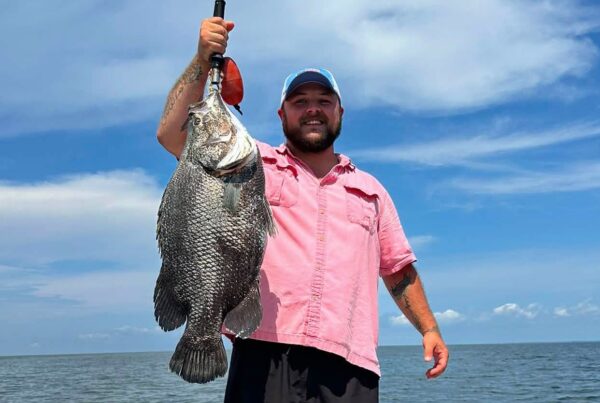
- Deeper ambush edges: Primary zone for flounder and black drum when fish stay tight to bottom.
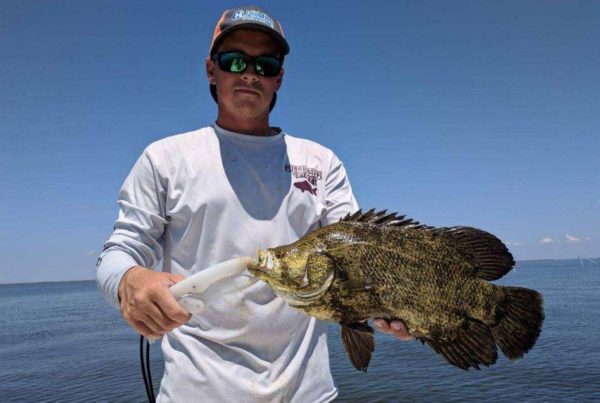
- Nearshore markers and floating cover: Primary zone for tripletail, Spanish mackerel, and occasional cobia when seas settle.
That breakdown gives May a simple operating order: find the best water color, match the tide phase to the right habitat, then decide whether the day stays inside or moves outside.
Four Patterns That Produce in May
May fishing is most consistent when tactics are organized by fish position instead of by species name alone. The four patterns below cover the productive water types without overlap and let an angler move efficiently as tide, wind, and light change.
Point-and-Shell Trout Program
Speckled trout in May set up on current-facing shell points, outside grass edges, and small ledges where bait is forced to cross the structure. The highest percentage window is early, then again whenever moving water tightens bait along current-facing shell points. This pattern is best for anglers who can cover water fast and then slow down once they contact a school.
- Depth: Start in 3-6 feet on outside points and work shallower if bait is visible.
- Rig: Throw 1/4-ounce jigheads with paddletails or fish live shrimp 18-30 inches under a cork.
- Water: Prioritize light stain to green water with visible bait flickers or surface slicks.
- Boat position: Stay off the point, drift across the current seam, and repeat only after a confirmed bite.
When trout stop holding on shell or the tide begins pulling harder from the marsh, the next move is usually drain water for redfish.
Falling-Tide Redfish in Drains and Ponds
Redfish in May group around pond exits, narrow cuts, and shoreline drains because bait has to leave those places on the falling tide. The pattern becomes even stronger when water drains out of shallow grass or roseau edges and forms obvious lanes of falling-tide drain positioning. This is the most dependable way to keep catch rates stable through changing wind.
- Depth: Focus on 1-3 feet at the mouth of the drain and 3-5 feet on the first nearby drop.
- Rig: Use gold spoons, weedless paddletails, or live shrimp and cut bait when water dirties.
- Tide: Fish the middle and late fall first, then check the first push of incoming water on the same shoreline.
- Presentation: Cast past the mouth, bring the bait across the current line, and expect strikes at the transition.
When redfish short-strike moving baits or stay pinned to bottom, the productive adjustment is usually a flounder and black drum presentation.
Ambush-Edge Flounder and Bottom Fish
Flounder and black drum in May hold where current sweeps forage across a bottom change and gives them a stationary feeding lane. Creek mouths, dock corners, small ledges, and the inside turn of a drain all qualify as current-fed ambush edges. This pattern is slower than the trout or redfish program, but it keeps producing when fish refuse fast-moving lures.
- Depth: Work 3-8 feet on creek mouths, drop-offs, and hard-to-soft bottom transitions.
- Rig: Fish 1/4- to 3/8-ounce jigs, Carolina rigs with live shrimp, or small strip baits dragged slowly.
- Cadence: Use short hops and long pauses; many flounder bites feel like extra weight, not a thump.
- Bonus fish: Keep shrimp ready around shell and structure for black drum when the flounder bite slows.
When inside water gets too crowded, too dirty, or simply too slow, the best upgrade is a calm-window nearshore run.
Calm-Window Nearshore Bonus Fish
Nearshore water becomes worth the run in May only when wind relaxes, visibility improves, and bait is active around markers, trap buoys, or open-water structure. That is the time to look for tripletail around floating structure, fast Spanish mackerel feeds, and occasional cobia. This pattern should be treated as a separate fishery, not as an afterthought tagged onto a poor marsh day.
- Conditions: Run outside only on stable seas and fishable visibility within sight of land.
- Targets: Check crab-trap floats, channel markers, bait pods, and isolated structure before blind-running farther.
- Rig: Keep one spinning rod ready with 20-30 pound leader and a shrimp, small baitfish, or compact artificial.
- Adjustment: Switch to spoons or fast jigs when Spanish mackerel are chopping bait on the surface.
Those four patterns cover the full May playbook. Serious anglers usually improve faster by learning when to leave one pattern than by changing baits inside the wrong water type.
May Fishing Questions Serious Anglers Ask
These are the questions that decide whether a May trip should stay inside, run nearshore, or split the day. Each answer is direct because tide timing and fish position matter more than broad seasonal talk.
Is May better for the marsh or nearshore around Gulfport?
Marsh fishing is the primary May pattern because redfish, trout, and flounder all respond to tide movement inside protected ponds, drains, and points. Nearshore becomes the better call only when wind is manageable and visibility is good enough to sight tripletail, track bait pods, and work floating structure efficiently daily.
What tide is best for redfish and trout in the Biloxi Marsh in May?
For redfish, the strongest window is the middle to late falling tide when bait flushes from ponds and narrow cuts. For trout, the first half of a moving tide on points and shell is usually better. Both species feed best when current moves clean water rather than mud through them.
When should artificials be replaced with live bait in May?
Start with artificials when water is clean, bait is active, and fish are covering shoreline or point water. Switch to live bait when wind muddies the zone, current slows, or strikes turn short. Live shrimp and small baitfish stabilize catch rates when fish stop chasing fast presentations in late spring.
Can one May charter realistically target trout, redfish, flounder, and tripletail?
Yes, but only if conditions align and the day stays flexible. A true mixed-bag plan usually starts with trout on points, shifts to redfish on drains, then finishes on flounder edges or nearshore tripletail when wind allows. Trying to force all four on one tide usually lowers results for everyone.
Match the Charter to the May Pattern
May trips should be selected by water type first. For classic redfish, trout, and flounder days inside protected marsh water, start with Louisiana marsh fishing charters. When wind opens a stable outside window, compare that with Mississippi nearshore fishing charters or, for more active sight-oriented days, wade fishing charters.
Trip planning information is already organized on the site. Use the Gulfport & Biloxi Marsh 2026 fishing guide and the latest fishing reports to compare May against the rest of the season. Trip formats and inclusions are on the rates page. Scheduling goes through reservations or the contact page if you want the date matched to target species, tide cycle, and wind direction.